Contaminated Spaces Returned to Safe Conditions
Sewage Cleanups in Nashville for properties affected by backup events requiring sanitation and material removal
Sewage backups introduce bacteria, viruses, and parasites into living spaces, coating floors and walls with contamination that standard cleaning cannot safely address. Contents absorb contaminated water, drywall wicks sewage upward from baseboards, and porous materials become biohazard waste requiring disposal rather than cleaning. ISM Contracting responds to sewage emergencies in Nashville by removing contaminated materials, cleaning affected surfaces with professional-grade disinfectants, and restoring indoor conditions to safe occupancy standards after contamination is eliminated.
This work involves more than mopping floors. Contaminated drywall, insulation, and flooring materials get removed to prevent ongoing microbial growth inside wall cavities, surfaces are treated with EPA-registered disinfectants at concentrations that eliminate pathogens rather than just surface cleaning, and air scrubbers filter airborne particles released during material removal.
Contact professionals immediately following any sewage intrusion to begin containment and removal before contamination spreads to additional areas.
What Proper Sewage Remediation Requires
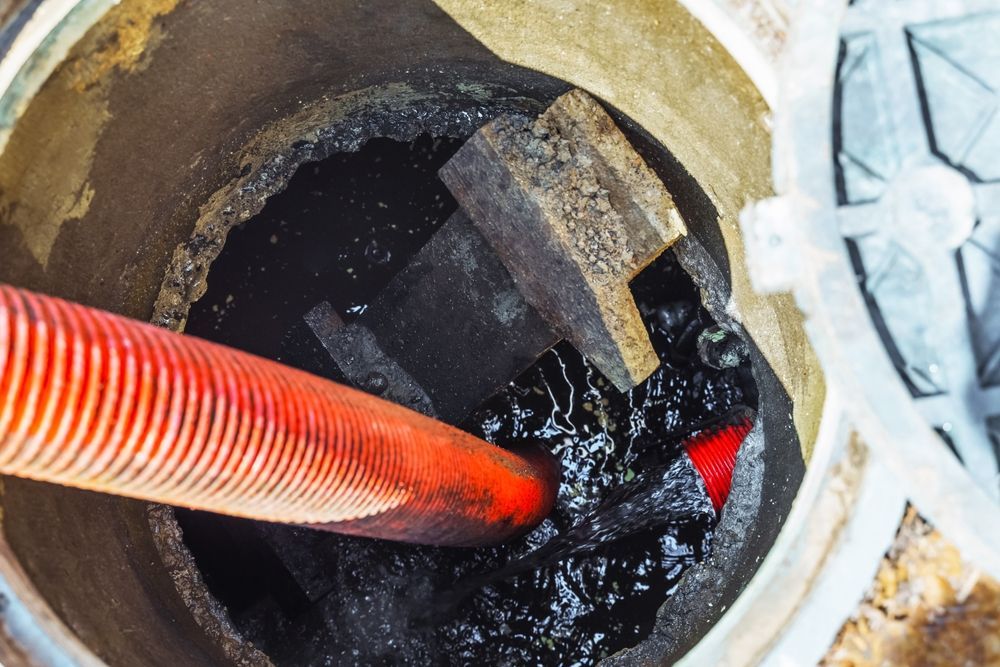
Remediation follows protocols that treat sewage as Category 3 water, the most contaminated classification, which requires personal protective equipment during all handling, disposal of porous materials that contacted sewage, and application of antimicrobial treatments to non-porous surfaces after gross contamination is removed. Affected areas are isolated to prevent tracking contamination into clean spaces during the removal process.
Once remediation finishes, floors and walls return to clean substrate ready for reconstruction, the biological odor caused by sewage decomposition is eliminated through source removal rather than masking, and you can occupy the space without health concerns from lingering contamination. Testing can verify that bacterial counts return to safe levels if occupants require documentation before re-entry.
Sewage cleanup does not include plumbing repairs that address the backup cause, though identifying whether the issue originated from a single fixture clog versus a main line failure helps determine whether additional drain work is necessary before restoration finishes. Speed matters because sewage contamination worsens as moisture continues wicking into materials.



Answers to Frequent Service Questions
Sewage events create immediate health risks, and property owners often need clarity on what gets salvaged versus discarded and how quickly safe conditions can be restored following contamination removal.
What materials require removal after sewage contact?
Porous materials including drywall, insulation, carpet, carpet padding, and unsealed wood that contacted sewage typically require disposal because disinfection cannot reliably eliminate pathogens absorbed into these materials, whereas tile, sealed concrete, and metal surfaces can be disinfected and retained.
How is sewage contamination different from clean water damage?
Sewage contains fecal matter, urine, pathogens, and chemicals that create serious health risks through direct contact or airborne exposure, requiring specialized cleaning protocols and protective equipment, whereas clean water from supply lines primarily creates structural and mold concerns without the same biological hazards.
When can occupants safely return after sewage cleanup?
Occupants can return once contaminated materials are removed, surfaces are disinfected, the space is dried to prevent microbial growth, and any airborne particles are filtered, which typically takes two to four days depending on the extent of contamination and material removal required.
What causes sewage to back up into properties?
Backups occur when main sewer lines clog from tree root intrusion or collapsed pipes, when municipal systems overwhelm during heavy rain events common in Nashville, or when individual drain lines obstruct, and determining the source helps prevent recurrence after cleanup finishes.
How are odors eliminated after sewage removal?
Odor elimination requires removing the contaminated materials where odor-causing bacteria live rather than applying deodorizers, followed by cleaning all surfaces with disinfectants and sometimes sealing subfloors with odor-blocking primers if sewage saturation was prolonged before cleanup began.
ISM Contracting responds quickly to sewage emergencies because contamination severity increases with every hour materials remain saturated. Request emergency cleanup services as soon as sewage intrusion is discovered to begin containment and protect unaffected areas from cross-contamination during remediation.