Surface Preparation Completed at Your Location
Mobile Sandblasting in Nashville for metal, masonry, and concrete surfaces requiring coating removal and contamination cleaning
Paint fails when applied over rust, old coatings, or mill scale that prevents adhesion, creating peeling and bubbling within months of application. Masonry cleaning with pressure washers alone leaves embedded stains and biological growth that return quickly because the contamination source remains in the porous surface. ISM Contracting provides mobile sandblasting that removes rust, paint layers, surface coatings, and contaminants by bringing professional abrasive blasting equipment directly to project sites throughout Nashville, preparing surfaces for refinishing or restoration work that requires clean substrate.
This service handles residential projects like wrought iron fence restoration, commercial work including building facade cleaning, and industrial applications such as equipment refinishing. Abrasive media removes surface contamination down to bare substrate, creating the profile needed for coatings to bond mechanically rather than just sitting on top of old finishes that eventually release.
Request an on-site project estimate to evaluate surface conditions and determine the appropriate abrasive media for your material type.
What Sandblasting Actually Accomplishes
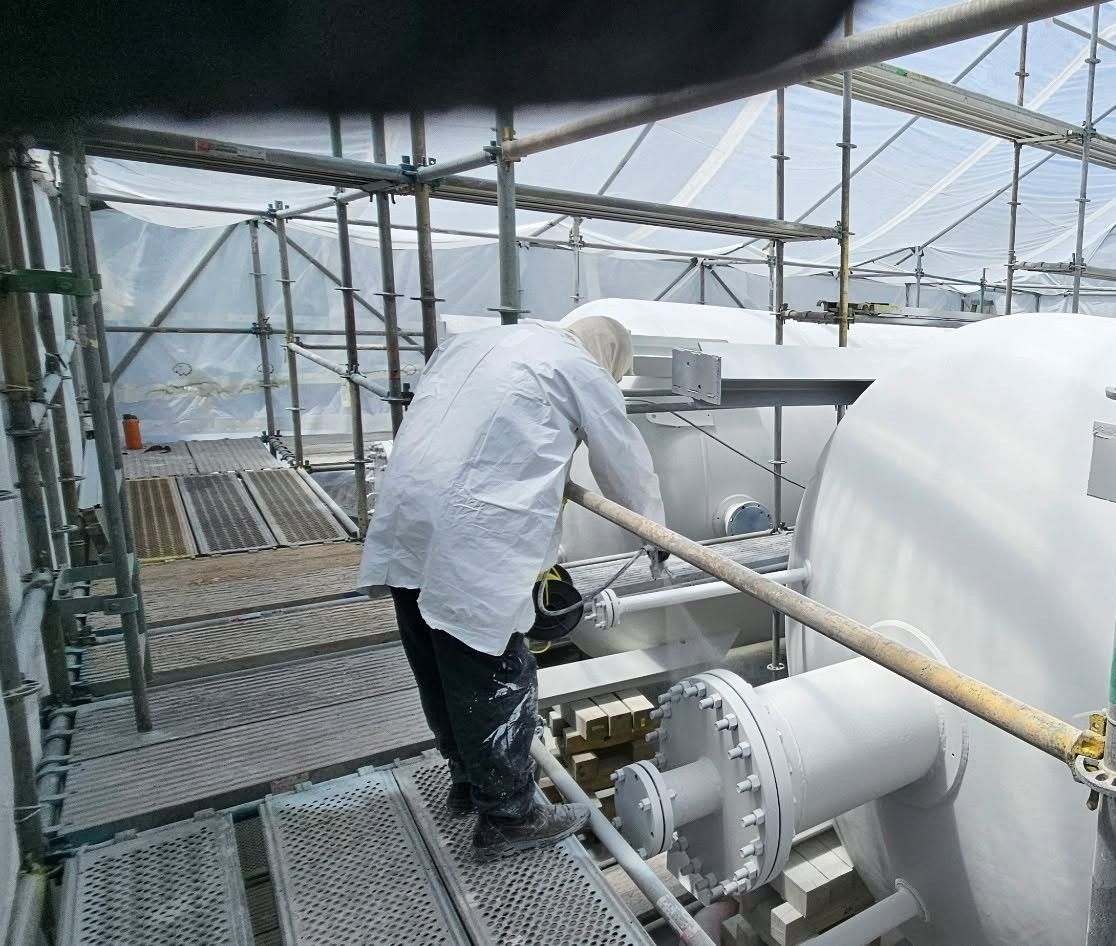
Blasting propels abrasive particles at high velocity against surfaces, fracturing rust and corrosion, breaking the bond between old paint and substrate, and abrading surface contaminants until clean base material is exposed. The process creates a textured profile that increases surface area and provides mechanical grip for primers and topcoats. Media selection varies based on substrate hardness and desired finish, with options ranging from coarse abrasives for heavy rust removal to finer media for delicate surface cleaning without dimensional change.
After blasting, surfaces appear uniform in color without the mottled appearance of partially removed coatings, metal shows the bright gray of bare steel rather than the brown of oxidized rust, and masonry reveals natural stone or brick color without the black staining from biological growth or pollution. Paint applied to properly blasted surfaces lasts significantly longer because it bonds to clean material rather than adhering to contamination that slowly releases.
Mobile sandblasting does not include coating application, though surface preparation is the step that most affects coating longevity and appearance. Projects requiring blast cleaning should coordinate timing so primers are applied within hours of blasting, before flash rust develops on bare metal or before airborne contamination settles on cleaned masonry.



Questions Before Starting Your Project
Sandblasting involves equipment, containment, and safety considerations that differ from other surface preparation methods, and understanding what the process requires helps property owners prepare sites and set realistic project expectations.
What surfaces can be sandblasted without damage?
Durable materials including steel, cast iron, concrete, brick, and stone handle abrasive blasting well, whereas softer materials like aluminum, wood, and some plastics can be damaged by aggressive media, though these softer substrates can sometimes be cleaned with low-pressure blasting using fine media like walnut shells or baking soda.
How is containment managed during mobile blasting?
Containment methods vary from full enclosures using tarps and frames for large projects, to localized barriers for smaller areas, to open blasting in industrial yards where overspray is acceptable, with the approach determined by proximity to adjacent properties, environmental regulations, and whether dust control is required in Nashville's urban areas.
When is sandblasting preferred over chemical stripping?
Blasting is faster for large areas and irregular shapes like ornamental ironwork, creates better surface profile for coating adhesion, and avoids the disposal concerns of chemical waste, making it preferable for outdoor metal structures, masonry cleaning, and industrial equipment where chemical residue would require extensive rinsing.
What determines project duration for sandblasting work?
Duration depends on surface area, the thickness of coatings being removed, substrate condition, and whether heavy rust pitting requires more aggressive media and repeated passes, with typical residential projects like fence restoration taking several hours while commercial building facades may require multiple days of blasting to complete.
How quickly must surfaces be coated after blasting?
Bare steel begins oxidizing within hours of blast cleaning, developing flash rust that requires removal before painting, so scheduling should ensure primers are applied the same day blasting finishes, whereas masonry and concrete can wait longer without deterioration if protected from rain that would reintroduce staining.
ISM Contracting brings sandblasting equipment to residential, commercial, and industrial locations throughout Nashville where surface preparation determines coating performance and appearance. Arrange a site visit to evaluate your project and discuss containment requirements, media selection, and coordination with coating applicators if refinishing follows the blast cleaning.