Properties Restored After Flames and Smoke
Fire Damage Restoration in Nashville for properties needing structural assessment and residue removal after any fire event
Fires leave damage far beyond what flames consume. Smoke penetrates porous materials, soot coats surfaces throughout the structure, and heat weakens framing members even in rooms where flames never reached. ISM Contracting handles fire damage restoration in Nashville by first evaluating structural integrity, then removing damaged materials, addressing residue, and coordinating repairs from initial mitigation through final reconstruction.
This service involves assessing which framing, drywall, and flooring can be salvaged versus what requires removal, cleaning surfaces coated with acidic soot that continues corroding until properly treated, and eliminating smoke odor embedded in HVAC ductwork and wall cavities. Properties in Nashville often face additional concerns when fire departments use significant water volumes during suppression, creating secondary water damage that must be dried before mold develops.
Schedule a property inspection immediately following any fire event to prevent ongoing damage from corrosive residues.
What Happens During Fire Damage Mitigation
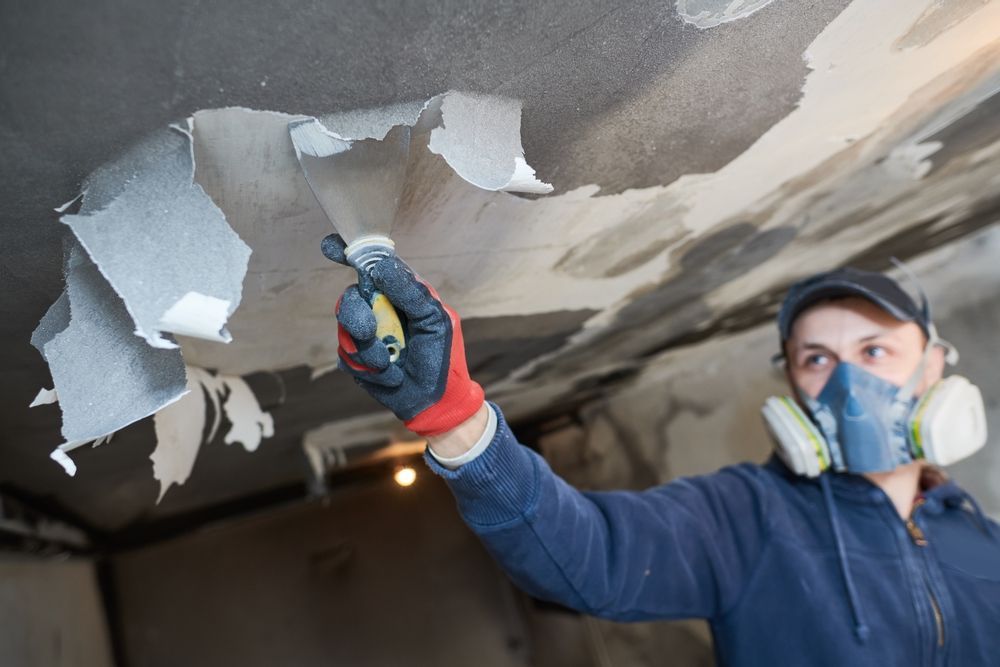
The restoration plan develops after structural conditions are documented, which determines whether load-bearing members need reinforcement or replacement before other work begins. Charred materials are removed to expose clean substrate, and surfaces are treated with specialized cleaners that neutralize acidic soot rather than simply wiping it away, which spreads residue and drives it deeper into porous materials.
Once cleanup finishes, you notice the absence of smoke odor that previously clung to every surface, walls and ceilings return to smooth, uniform conditions ready for paint, and flooring sits level without the buckled sections caused by heat exposure. ISM Contracting coordinates all phases so insurance documentation, mitigation work, and reconstruction proceed without gaps that delay occupancy.
Restoration timelines vary based on the fire's origin point, whether electrical fires damaged wiring throughout walls, and whether structural members need engineering review before repairs begin. The extent of smoke travel determines how many rooms require cleaning beyond the burn area itself.



Questions Property Owners Ask After Fires
Recovery from fire damage involves coordination between mitigation, reconstruction, and insurance documentation, and understanding what each phase addresses helps property owners know what to expect during restoration.
What gets assessed during the initial structural inspection?
The inspection identifies compromised framing, evaluates whether roof decking maintains integrity, checks electrical systems for heat damage, and determines which materials can be cleaned versus which require removal to eliminate contamination.
How does smoke residue differ from surface dirt?
Soot contains acids that continue corroding metal fixtures, etching glass, and deteriorating fabrics until professionally neutralized, whereas surface dirt simply sits on materials without causing ongoing chemical damage.
When should restoration begin after the fire department clears the scene?
Restoration should start within 24 to 48 hours because acidic soot causes progressively more damage the longer it remains on surfaces, and any water used during firefighting efforts creates mold risk if not dried promptly.
What determines whether materials get cleaned or removed?
Porous materials like drywall and insulation that absorbed smoke typically require removal, while non-porous surfaces like metal and glass can often be cleaned, though the decision depends on exposure duration and contamination severity.
How is odor eliminated rather than just masked?
Odor removal involves treating HVAC systems where smoke particles circulate, sealing surfaces that absorbed smoke oils, and sometimes applying thermal fogging that penetrates the same pathways smoke originally traveled, rather than using air fresheners that provide temporary masking.
ISM Contracting develops restoration plans specific to each fire's characteristics, whether confined to a single room or distributed throughout the structure by HVAC systems. Contact the team for a structural assessment that documents conditions and establishes a mitigation sequence before beginning repairs.