
Renovation Decisions Begin with Accurate Testing
Lead Testing in Nashville for older homes, commercial buildings, and properties undergoing renovation
Properties built before 1978 commonly contain lead-based paint on interior and exterior surfaces, creating exposure risks when renovation work disturbs those coatings through sanding, demolition, or cutting. Professional lead testing identifies which surfaces and materials contain hazardous lead concentrations before remodeling begins, allowing you to plan safe work procedures and protect occupants and contractors from dust exposure. ISM Contracting provides Lead Testing in Nashville for residential and commercial properties where renovation plans or deteriorating paint conditions require hazard evaluation before work proceeds.
Testing involves collecting samples from painted surfaces, substrates, and dust in areas where deterioration or planned work may release lead particles. Laboratory analysis measures lead concentration in each sample, producing a detailed report that identifies which specific areas contain lead and at what levels, giving you the information needed to make informed decisions about containment, removal, or encapsulation methods.
Schedule a lead inspection before disturbing painted surfaces in any structure built prior to federal lead paint restrictions.
Why Testing Matters Before Disturbing Materials
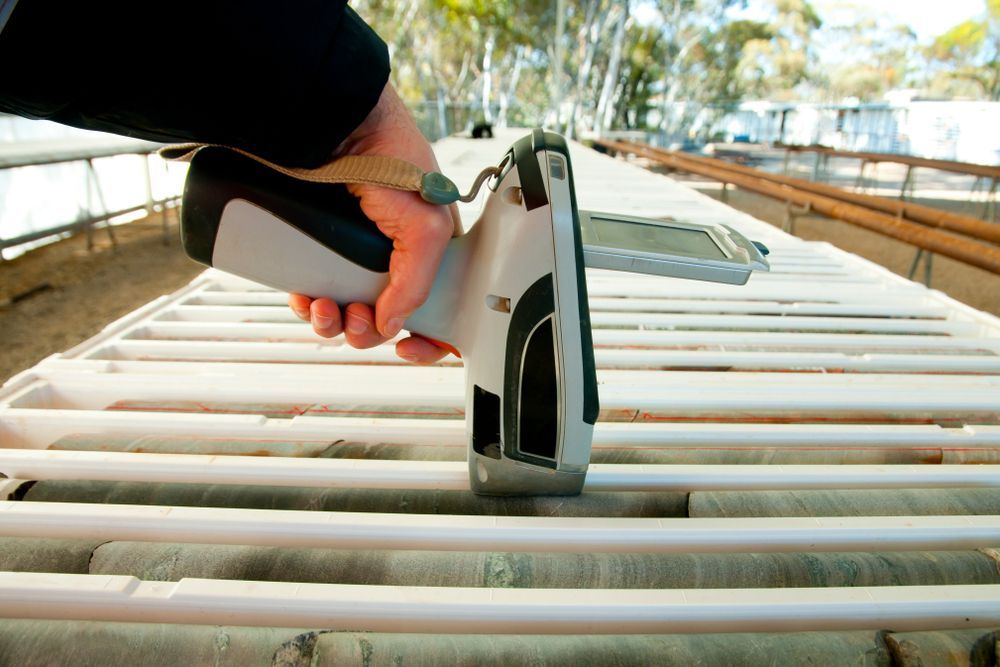
Technicians use X-ray fluorescence analyzers for rapid surface screening and collect physical samples from multiple locations to confirm lead presence and concentration through certified laboratory analysis. Testing covers window frames, doors, trim, walls, and exterior siding where lead-based formulations were commonly applied for durability, focusing on areas your renovation plans will disturb or where paint already shows chipping and deterioration.
Once testing completes, you receive documentation identifying exactly which surfaces tested positive for lead, the concentration levels detected, and recommendations for safe handling during your planned work. This reporting supports healthier indoor environments by preventing lead dust generation during uncontrolled renovation and provides the compliance documentation needed when regulations require testing before permitted work.
Testing does not remove lead hazards but identifies their presence and location, allowing you to choose appropriate methods—encapsulation for intact paint, containment and specialized removal for surfaces requiring disturbance, or modified work plans that avoid high-concentration areas when possible.



Common Questions About This Service
Property owners planning renovation or evaluating older buildings need clarity about when testing applies and what results mean for their projects.
What triggers the need for lead testing before renovation?
Any renovation, repair, or painting project in a pre-1978 residential property that disturbs more than six square feet of painted surface per room requires lead testing or assumption that lead is present, with commercial buildings following similar thresholds under recommended safety practices.
How does testing differ from visual inspection for lead paint?
Visual inspection cannot determine whether paint contains lead because lead-based and non-lead formulations appear identical, requiring either laboratory analysis of collected samples or XRF instrument readings to measure actual lead concentration in coatings.
When should commercial buildings in Nashville schedule lead testing?
Schedule testing before any interior demolition, window replacement, or exterior painting on structures built before 1978, particularly in spaces occupied by children or where ongoing deterioration creates potential dust exposure from flaking or chalking paint.
What happens if testing confirms lead presence in renovation areas?
Confirmed lead presence requires either certified lead-safe work practices including containment and HEPA vacuuming during disturbance, complete removal by certified contractors, or encapsulation methods that seal lead paint under new barriers without creating dust.
Why test properties with multiple layers of newer paint over old coatings?
Lead paint buried under newer layers becomes hazardous when renovation cuts through all coatings to substrates or when demolition removes entire assemblies, releasing dust from every paint layer including those no longer visible on surfaces.
ISM Contracting conducts professional lead testing with accurate reporting and practical recommendations for managing identified hazards during your renovation work. Call (615) 359-8222 to arrange testing before your remodeling project begins.