
Indoor Air Quality Depends on Complete Removal
Mold Removal in Nashville for visible growth and hidden colonization affecting indoor air quality
Mold colonizes within 24 to 48 hours after materials reach saturation levels above 20 percent, spreading spores through ventilation systems and behind wall cavities where visual inspection misses active growth. ISM Contracting provides Mold Removal in Nashville for residential and commercial properties where moisture intrusion has created conditions supporting fungal development. This service combines thorough inspection to locate both visible surface growth and hidden mold within structural cavities, followed by safe removal procedures that address contamination without dispersing additional spores during remediation.
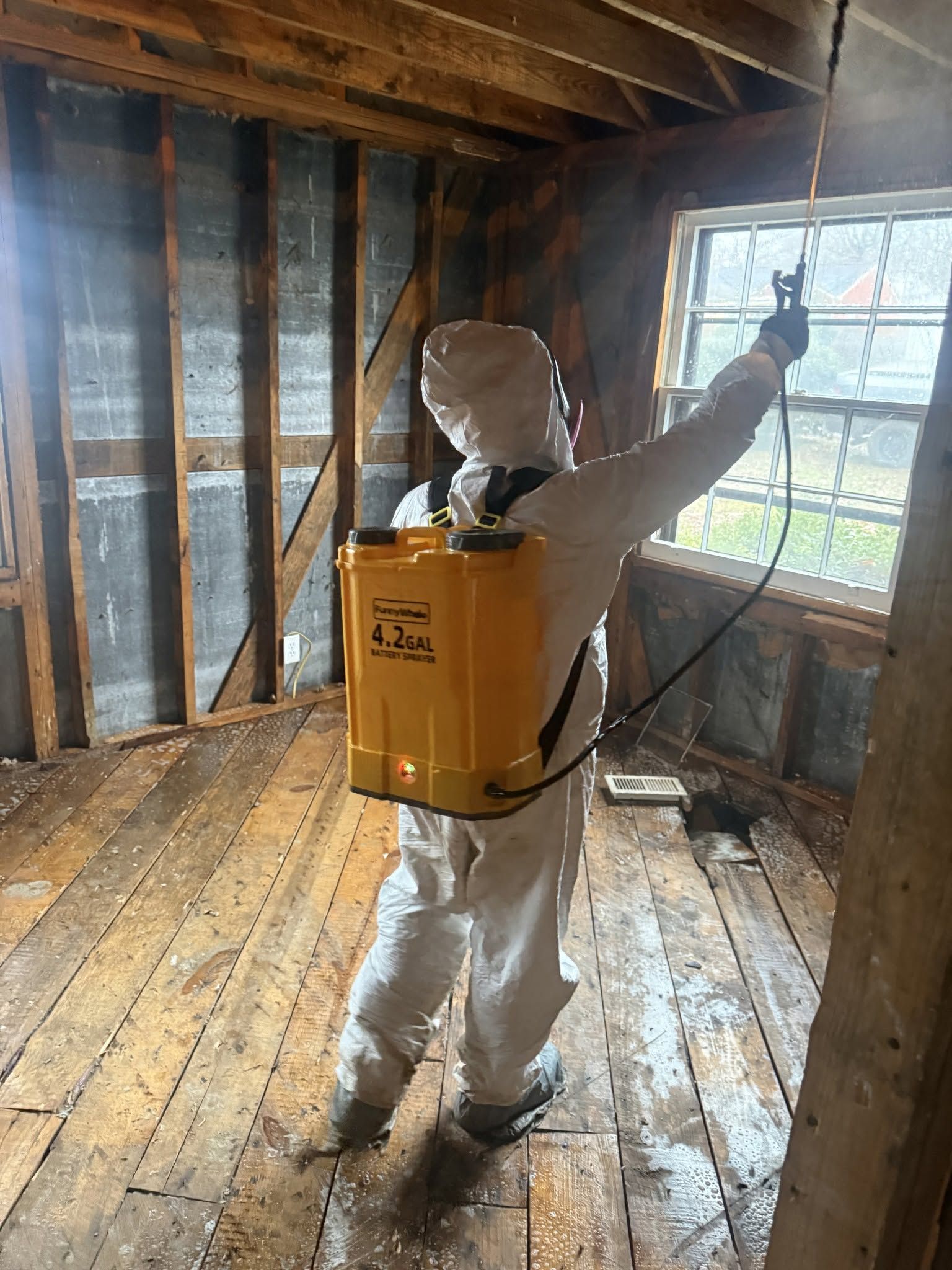
The removal process involves containment of affected areas to prevent cross-contamination, HEPA filtration during material removal, treatment of surfaces where mold has adhered, and disposal of porous materials too saturated for effective cleaning. Inspection extends beyond visible staining to use moisture meters and thermal imaging that reveal elevated readings indicating hidden growth behind finishes.
Schedule a professional mold inspection to determine the extent of colonization and moisture sources supporting growth.
How Removal Addresses Contamination and Moisture Sources
Technicians establish containment barriers with negative air pressure to prevent spore migration during removal, then systematically remove affected materials while HEPA vacuums capture airborne particles. When mold penetrates porous materials like drywall, insulation, or ceiling tiles, those sections require removal rather than surface cleaning because mycelia extend into the substrate where treatment cannot reach.
After removal finishes, you notice musty odors clear from previously affected rooms, visible discoloration no longer spreads across walls or ceilings, and air quality improves as spore counts drop following containment and filtration. The workspace returns to normal humidity levels, and surfaces previously hosting growth remain clean without recolonization when moisture sources are corrected.
Effective removal requires identifying and correcting the moisture condition that allowed initial colonization—leaking pipes, roof penetrations, condensation patterns, or inadequate ventilation—because mold returns to any surface that remains above 60 percent relative humidity for extended periods.



Answers to Frequent Service Questions
Property owners dealing with mold growth want clarity about removal procedures, safety measures, and preventing recurrence.
What areas require inspection beyond visible mold growth?
Inspection extends to wall cavities adjacent to visible growth, spaces above water-damaged ceilings, HVAC ductwork downstream from contamination, and any area with moisture readings above 18 percent that indicate conditions supporting hidden colonization.
How does containment prevent mold from spreading during removal?
Technicians seal affected areas with polyethylene barriers and establish negative air pressure using HEPA-filtered air scrubbers, creating airflow that pulls spores away from unaffected spaces while capturing particles before exhaust.
Why do some materials require removal instead of cleaning?
Porous materials like drywall, insulation, fabric, and unsealed wood allow mold roots to penetrate below the surface where cleaning agents and biocides cannot reach, making removal the only method that eliminates colonization completely.
What moisture control recommendations prevent future mold growth?
Recommendations typically address the specific failure pattern identified during inspection—repairing leaks, improving ventilation in high-humidity areas, correcting drainage around foundations, or installing dehumidification in spaces prone to condensation.
When should commercial properties in Nashville schedule mold inspections?
Schedule inspections after any water damage event, when occupants report persistent musty odors or respiratory irritation, before purchasing buildings with known moisture issues, or when routine maintenance reveals roof leaks or plumbing failures.
ISM Contracting conducts thorough mold inspections and removal for properties throughout Nashville, combining technical detection methods with safe remediation procedures and moisture control guidance. Request an inspection at (615) 359-8222 when mold concerns arise.